Executive Summary
- Asset decisions become economically and technically stronger when they move beyond age alone and combine condition, criticality, operability and strategic relevance.
- Lifecycle management must answer three practical questions: what is the present condition, what is the consequence of failure, and what action creates the best risk-value balance.
- Without a structured framework, replacement programs tend to be reactive, unevenly prioritized and difficult to defend in front of management, finance or operations.
- A modern asset-lifecycle approach converts inspection findings and operational knowledge into a transparent modernization roadmap that supports budgeting, reliability and long-term value creation.
Key Figures
Decision DimensionsCondition · Criticality · Risk · Value
Typical Action PathsRun · Repair · Retrofit · Replace
Planning Horizon1–10 years
Core OutputPrioritized modernization roadmap
Technical Figure
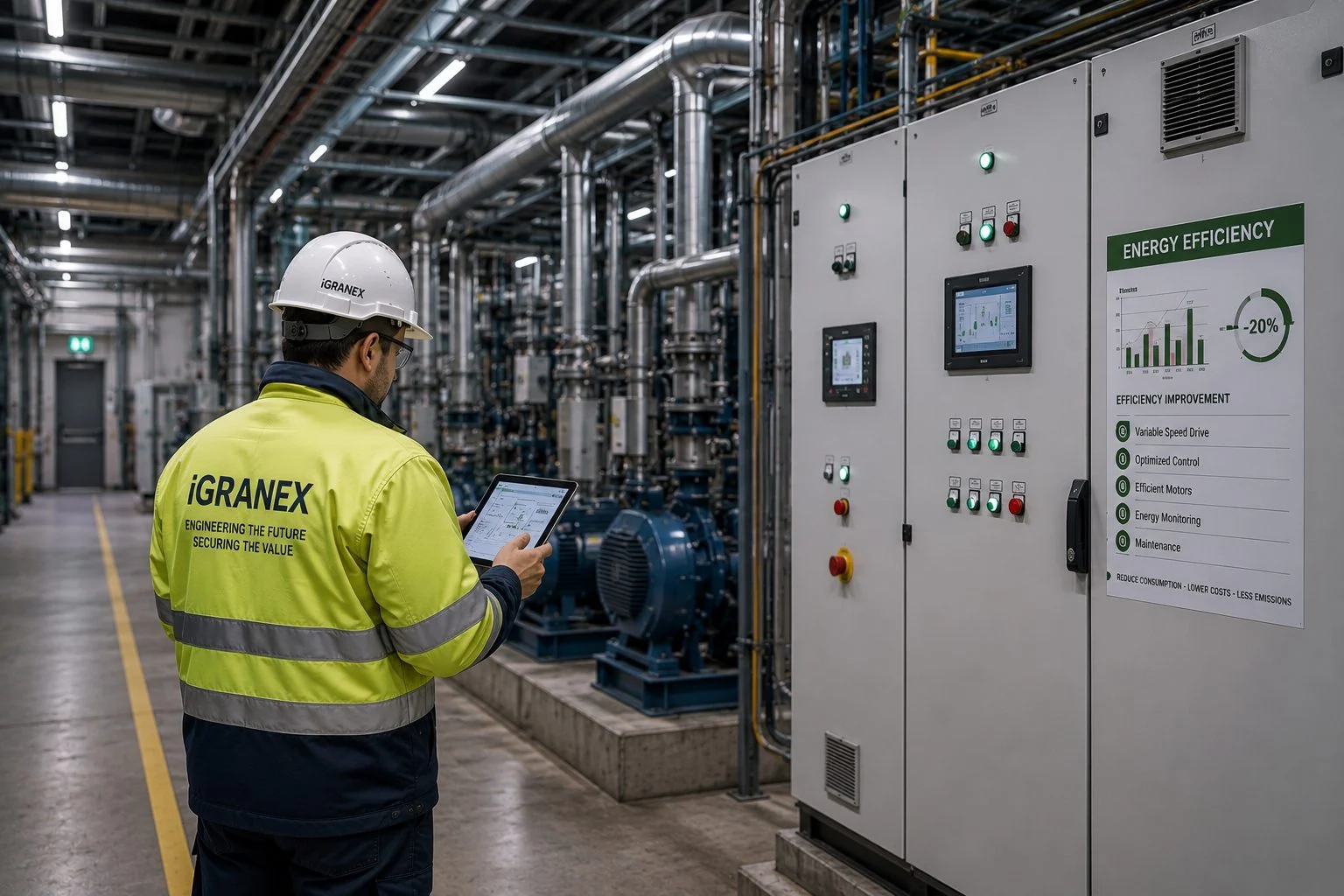 Figure 1. Asset-lifecycle decisions should link field condition, plant criticality and efficiency opportunity to a practical modernization and investment roadmap.
Technical Discussion
From inspection to decision
Condition data only creates value when it is interpreted in a decision framework. Inspection results, alarms, failure history, spare-parts situation and operational constraints should be translated into consequence-based action priorities.
Criticality matters
A medium-condition asset in a highly critical process may deserve earlier intervention than a poorer asset with low operational impact. Criticality therefore changes how maintenance, retrofit and replacement priorities are set.
Decision model
A useful model combines technical condition, consequence of failure, regulatory or safety implications, energy-performance potential, expected downtime impact and implementation practicality. The result is a rational action path rather than a purely age-based reaction.
Programmatic value
Lifecycle decision-making improves transparency for capital planning, focuses engineering effort on the highest-value interventions and creates a defensible narrative for stakeholders around asset health and modernization needs.
Figure Captions
References / Standards
ISO 55000 / 55001 / 55002 — Asset management
ISO 31000 — Risk management guidelines
IEC 60300 series — Dependability management
IEC 60812 — Failure modes and effects analysis (FMEA/FMECA)
Condition-monitoring and diagnostic guides applicable to transformers, switchgear and rotating equipment
Operator-specific maintenance and asset-governance requirements
Note: Project-specific utility, client and local regulatory requirements must always be added to the standards baseline.
Recommended iGRANEX Packages
iGRANova ValueIdentifies modernization, efficiency and decarbonization priorities on a value-oriented basis.
iGRAReliance / Resilience CheckAssesses operational risk, criticality and failure consequences for key infrastructure assets.
iGRAProject ControlConverts prioritized actions into structured project packages and implementation roadmaps.
The page is optimized for print and Save-as-PDF output for a whitepaper-style technical brief.